February 22, 2026 : Do Something Special for God This Lent
Jesus Christ: Yesterday, Today and Forever ~
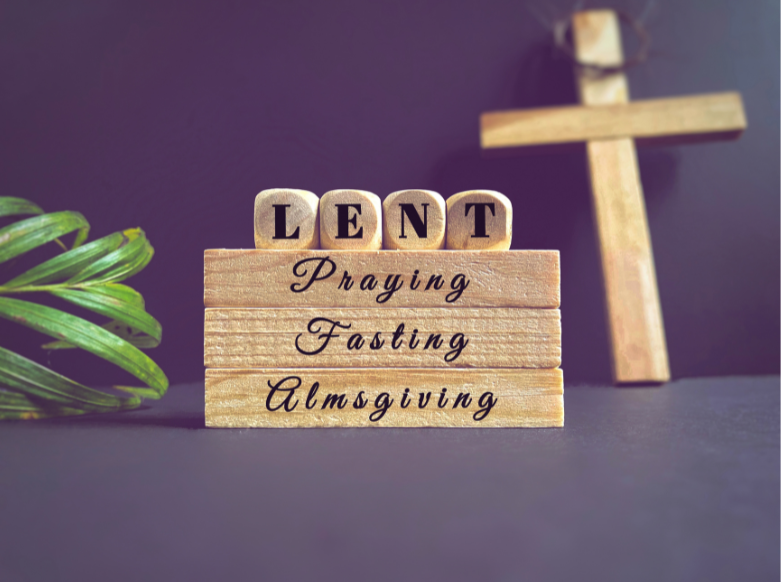
Lent is an extended penitential season when Catholic Christians try to become better Catholic Christians. Specifically, we try to make some sort of special sacrifice for God’s glory, the salvation of souls, and atone for our sins and the sins of the whole world. Some people do big things for Lent and some people just one small thing, but we should all do something for Jesus–who did everything for us.
Lent began last Wednesday with ashes. If you haven’t already made a resolution you still can and should. Fortunately, this pastor’s column is for you. Great things, even little things, don’t happen without a commitment and a plan: marriage, parenting, career, good health, etc., all take great commitments and a plan. So does our faith. Martyrs have died for the Lord, and saints have given their whole lives for Him. This Lent, with God’s grace, please join me in making a plan to better yourself in Christ.
I have a list below of things to consider for Lent, yet joining a Small Book Sharing Group would be at the top of that list. For five weeks, multiple small groups will gather to share their insights from a short but powerful book called Searching for and Maintaining Peace by Father Jacques Philippe. There will be small groups meeting at all three campuses during five weeks of Lent. You can still sign-up by visiting our website and clicking on the “Lenten Book Study Groups” tab on our website at https://www.columbiarivercatholic.org/events/lenten-book-study-groups. Groups will begin this week, the week after Ash Wednesday. Books are free for those who sign up.
In addition to fasting on Ash Wednesday and Good Friday, and abstaining from meat on those days as well, here are some other things you might consider doing this Lent:
1. Join a Small Faith Sharing Group during Lent. See above.
2. Faithfully attend Stations of the Cross on Fridays at Holy Redeemer (5:30pm), Star of the Sea (6pm) followed by soup suppers, and at St. Thomas Aquinas (5:30pm) with soup supper after the 6pm Mass.
3. Fast on Fridays.
4. Give up sweets, alcohol, or snacking.
5. Go to Confession at least once during Lent.
6. Tithe 10% of your income during Lent: 5% to the parish and 5% to other Catholic charities.
7. In addition to Sunday Mass: attend a weekday Mass once a week.
8. Make a weekly Holy Hour in the church, preferably during 24-hour Exposition of the Blessed Sacrament from Friday morning to Saturday morning.
9. Pray the Rosary with the parishioners before Mass, with your family, or on your own.
10. Pray for five minutes in the morning and five minutes at night.
11. Pray a nine-day novena (or longer). There are lots to choose from, just internet search “novenas.”
12. Daily spiritual reading. When was the last time you read a good Catholic book?
13. Share your faith with a family member, neighbor, or co-worker once a week.
14. Visit someone who is lonely; best done in person but easy to do on the phone.
15. Exercise regularly.
16. Cold showers.
17. Put on a smile every day.
18. Think up your own Lenten resolution.
Here are some ideas for you to consider giving up during Lent.
1. Vices of the tongue: complaining, gossip, slander, swearing, using the Lord’s name in vain, etc. More on this later in the second part of in this pastor’s column.
2. Non-essential shopping.
3. Cut screen time in half or more: TV screens, internet screens, movie screens, video game screen, smart phone screen [the average American looks at their smart phone screen over a hundred times a day, are you any better?].
4. Cut in half or more: electronic music, radio time (this includes talk radio and news).
5. Cut in half or more: nicotine, caffeine, alcohol, sweets.
6. Think up your own.
Remember these two things as you work through your Lenten resolutions: 1) with God’s grace all good things are possible, and 2) setbacks aren’t failures, they are opportunities to grow.
I end with an article about swearing, something we can all work at giving up for Lent. Almost everyone swears from time to time, even those who don’t want to, but it has taken up epic proportions in our time. A little bit of the article has been abridged to make space.
May Almighty Bless You,

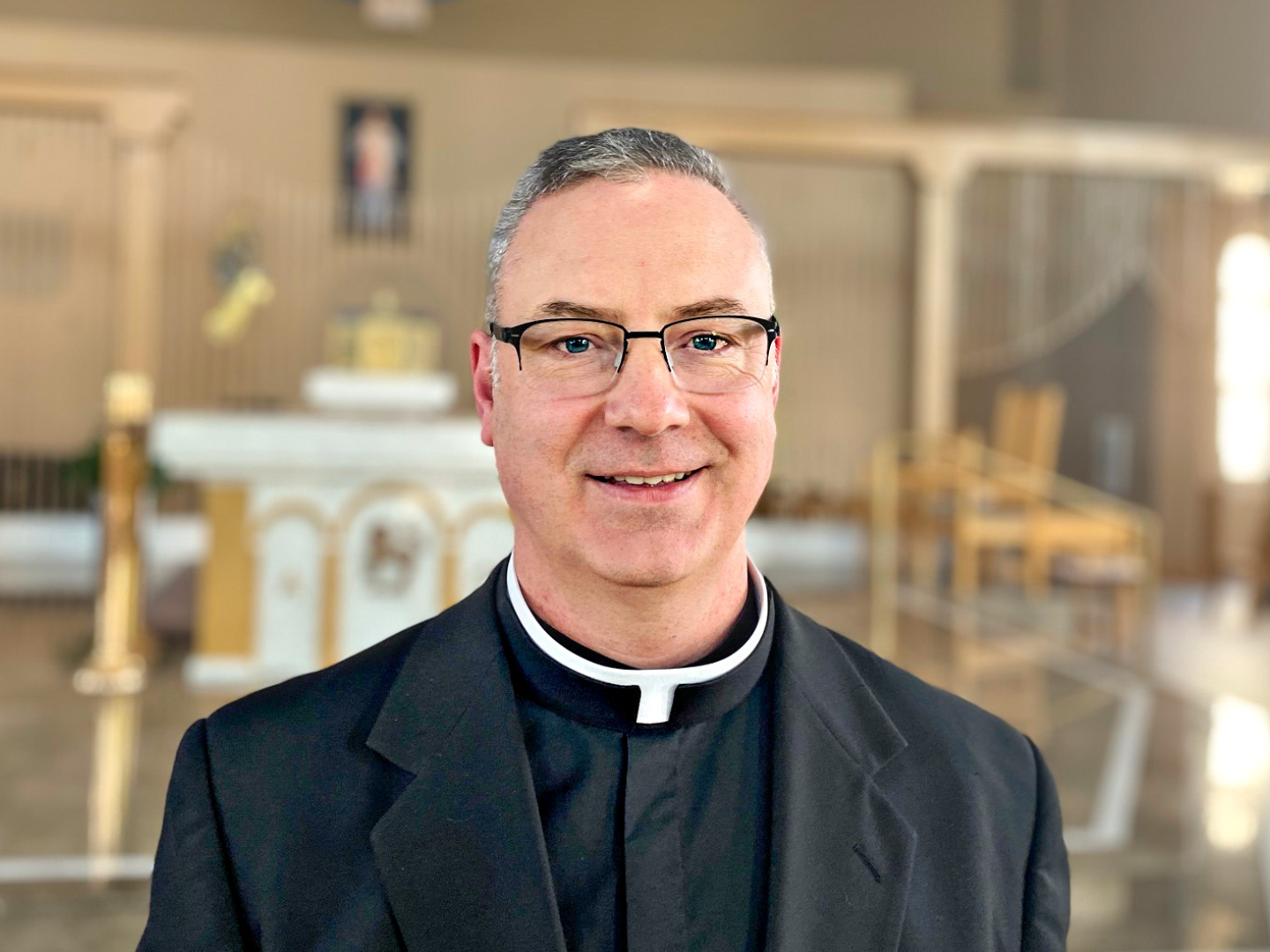
Fr. Thomas Nathe
The Profound Impact of Profanity: How Swearing Affects the Brain, Emotions and Soul
Gary Isbell, January 13, 2026
Tragically, swearing has taken up permanent residence in the repertoire of the masses, especially among the youth. Unlike mathematics or history, it is not a subject taught in a classroom—at least, not in the traditional sense. Instead, it is absorbed through osmosis from peers, parents, and, most aggressively, the internet and Hollywood.
Why Swear?
Swearing is done to vent. Sharp, jagged words release pressure valves of anger, frustration, or even exuberant excitement. There is a pervasive notion that no other collection of sounds is quite as efficient or effective at conveying raw emotion. Curse words are not merely random insults.
They pack an emotional wallop. Linguists, such as Timothy Jay, author of Why We Curse, suggest that profanity hijacks the brain’s limbic system—the very center of emotions. When an expletive is spoken, it triggers a dopamine surge, embedding itself in memory with a tenacity that polite language simply cannot match.
Hollywood and the internet, in their infinite wisdom, seem intent on promoting this vulgarity. They prioritize profanity for drama, embedding it into iconic movie lines. Curse words are short, punchy and versatile—a scriptwriter’s dream for quick character development and an even quicker shock value sure to be remembered.
The Psychological Drive to be Vulgar
The relentless parade of vulgar and provocative screen content distorts what “popularity” actually looks like. Many people have come to believe they must display bold behavior, air their dirty laundry, or act in shocking ways simply to garner likes and followers. Consequently, they drift away from cultivating genuine talent or personality. Rather than focusing on developing culture, education, or creativity, they begin to value the fleeting attention gained from shock value over the enduring peace of self-respect.
The algorithms that govern our digital lives only exacerbate the situation. Because platforms are designed to promote posts that elicit strong reactions, vulgar content travels much faster than meaningful discourse. This creates a perverse structure of incentive in which creators post increasingly provocative material to remain relevant.
The Hidden Impact of Profanity: How Swearing Affects Your Brain, Emotions, and Spirit
Ancient wisdom, particularly within the Catholic tradition, has long emphasized the importance of pure, respectful speech as a reflection of one’s inner values. Religious teachings encourage us to use language that inspires, comforts, and uplifts rather than degrades.
When we speak with forethought and restraint, it reflects internal discipline and strength. Choosing respectful language is not just about manners; it is a way to nurture both the soul and the society it inhabits.
From a psychological perspective, habitual profanity can deeply affect our emotional and cognitive landscape. Swearing is inextricably linked to the expression of intense emotions such as anger or stress.
When these explosive words become the default in our vocabulary, they reinforce negative emotional patterns and atrophy our ability to manage stress with grace. Research in cognitive psychology indicates that frequent exposure to harsh language may actually lower one’s emotional self-regulation and self-esteem.
Habitual profanity creates cognitive ruts that hinder the development of adaptive coping strategies, affecting our overall mental health. Studies show that profanity activates brain regions linked to emotion and impulsivity, such as the amygdala and the limbic system.
Over time, the repeated firing of these neural pathways strengthens our tendency toward intemperate, quick and unfiltered emotional reactions, while diminishing the faculties responsible for self-control and thoughtful regulation.
Profanity’s Adverse Effect on Family and Society
Changing speech habits that have been etched into our psyche may seem like a Herculean task, but it is entirely possible with God’s grace, self-awareness and resolve. Our choice of words has a profound impact on mental well-being and relationships. Practicing self-reflection allows one to identify triggers and replace negative verbal reflexes with constructive language.
Pursuing the company of supportive individuals who model positive communication can further reinforce these changes. The goal is not to surgically remove strong emotions but to express them in ways that promote self-control, mental clarity and emotional resilience.
Understanding the profound effects of foul language on mental, emotional and spiritual health is essential to personal growth. Profanity, used to express deep emotion, reinforces negative thought patterns, increases stress and disrupts interpersonal harmony. In short, foul language accelerates vice.
The journey toward a healthier way of communicating begins with self-awareness and a commitment to practicing virtue. The power of thoughtful speech must be embraced through self-awareness, the exploration of alternative expressions, and the fostering of respectful interactions. In doing so, an important step can be taken toward not only improving one’s mental health but also contributing to more compassionate and understanding relationships.
To solve this issue, a coalition of the willing—the clergy, families, schools, governments, and the youth themselves—must work together. Parents need to engage in open, honest dialogue with their children. Schools must teach the curriculum of digital responsibility. Governments must enforce strict rules against harmful content. Most importantly, people need to develop the armor of self-control, value real-life relationships over digital ones, and eliminate the harmful noise generated by the internet and Hollywood.
Every word matters when it comes to cultivating a healthy mental state and a positive social environment. We must choose words wisely and take pride in meaningful, expressive dialogue bereft of swear words. If society hopes to build a healthy and emotionally robust future generation, it must recognize the serious pitfalls of vulgarity and return to the principles of a well-ordered, Christian civilization.