Jesus Christ: Yesterday, Today, and Forever ~
I’m writing about the Liturgy of the Hours, a topic I can write about quickly with a lot of copying and pasting from the internet. 😊 That’s a good thing because I’ve been at Ignite Northwest this past week, a five-day conference for high schoolers at the University of Portland. It is led by priests, consecrated religious, and a lot of lay folks, many of whom are from our parish family (roughly 475 people in total). For lack of a better word, I’m the chaplain for it this year. Perhaps I’ll have a pastor’s column on it in the future? Now to the Liturgy of the Hours.
The laity, or lay Catholics, are Catholics who are not clergy or consecrated religious—that means you. The laity are often curious about the Liturgy of the Hours, the set of prayers that clergy and consecrated religious are obligated to pray every day. Here’s some insight into it.
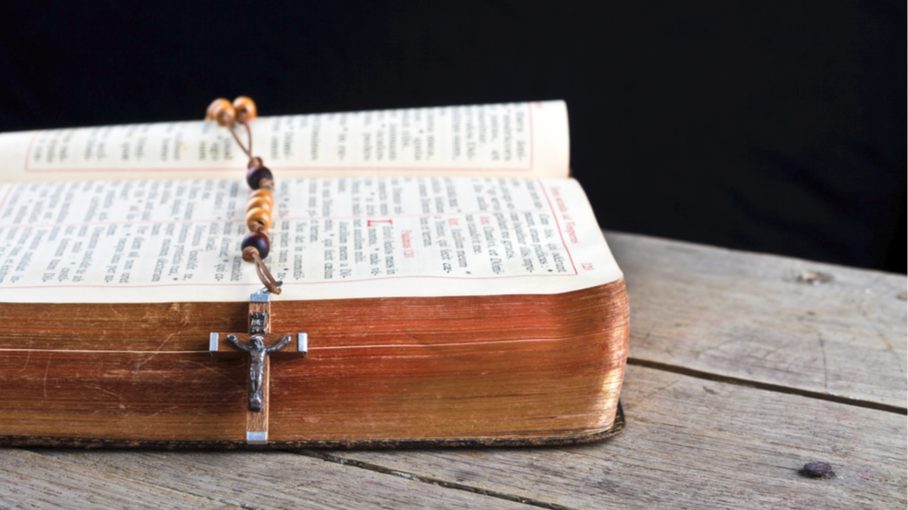
The Liturgy of the Hours is the official daily prayer of the Church. Clergy and consecrated religious usually refer to it as the Office, as in, “I haven’t prayed my Office yet.” It sanctifies the day through structured prayer times, primarily using the Psalms, Scripture readings, and intercessions. It follows the Church’s liturgical seasons of Advent, Christmas, Ordinary Time, Lent, the Triduum, and Easter, as well as the numerous holy days and saints feast days. It is intended to be a public, communal, and personal devotion, linking the faithful with Christ and the universal Church.
The Liturgy of the Hours is a centuries-old tradition reflecting the practice of the early Church and Jewish customs. Its origins come from Jews who prayed the Psalms at different times during the day. Between bouts of criticizing Jesus and scheming, the Pharisees actually did something constructive with their time. When Jesus and the Apostles prayed, they frequently prayed the Psalms, which is the origin and backbone of the Christian Liturgy of the Hours.
Why do Christians pray the Liturgy of the Hours? From the internet, it:
1. Sanctifies the day at regular intervals, creating a rhythm of continual prayer.
2. Encourages meditation on Scriptures and Psalms, deepening understanding of the Christian mystery.
3. Connects the individual and community with the royal priesthood of the baptized, complementing the sacrifice of the Mass.
4. Integrates praise, thanksgiving, intercession, and consecration into daily life.
5. Fosters spiritual discipline.
6. Deepens Scriptural engagement.
7. Participates in the prayer of the Church as the Mystical Body of Christ.
While it is obligatory for clergy and members of religious institutes, it is also highly encouraged for the laity to pray as well. This is difficult for the laity to achieve though because the Liturgy of the Hours takes many hours of use to become proficient in. It took me years to completely master it. Imagine coming to Mass for the first time and having no idea of what to do. Someone probably took you and it probably took years for you to figure out all the prayers and postures at Mass. It takes time to figure out the Liturgy of the Hours too, although you don’t have to master it to pray and profit from it.
The Liturgy of the Hours is divided into major and minor hours (or offices, the reason why clergy colloquially call it that). Major hours include:
1. The Office of the Readings (Matins) – traditionally prayed in the middle of the night or early morning, including longer scripture passages and writings from the Church Fathers.
2. Morning Prayer (Lauds) – prayed at dawn to consecrate the day; featuring the Canticle of Zechariah and psalms of praise.
3. Evening Prayer (Vespers) – prayed in the evening with the Canticle of Mary (Magnificat), giving thanks for the day.
Minor hours (little hours) include:
1. Midmorning (Terce), Midday (Sext), Midafternoon (None) – these are shorter prayers that can be recited around midmorning, Noon, and midafternoon – times marking the events of Christ’s Passion – Jesus takes up His cross, nailed to the cross, and death.
2. Night prayer (Compline) – concludes the day, includes psalms of trust and optionally, Marian antiphons.
Most lay Catholics who pray the Liturgy of the Hours only pray Morning and Evening Prayer. Lay Catholics who pray more than that usually skip the Minor Hours. Which leads to the question of time: how much time does it take to pray the Liturgy of the Hours?
For religious communities that pray together in common, it takes about two to four times as much time as individuals who pray on their own. That’s because the pace of praying in common is slower and because religious communities usually incorporate more singing, readings, prayers, and rituals. So, while it might take me 10 minutes tops to pray Evening Prayer, it can take a religious community 30-45 minutes. Praying the Liturgy of the Hours on my own, what you would experience on your own, generally takes about twenty minutes for the Office of Readings, eight minutes each for Morning and Evening Prayers, and five minutes each for a minor office. That comes out to about 45-50 minutes a day of prayer interspersed throughout the day. Of course, for priests and consecrated religious there is the requirement for daily Mass as well, and, in many cases, a daily holy hour before the Blessed Sacrament (some of the Liturgy of the Hours can be prayed during that time).
Here are some suggestions if you are interested in praying the Liturgy of the Hours.
1. The Magnificat is a booklet that you can subscribe to that comes in the mail monthly. In it are the readings and saints for Mass each day of the month, as well as a short version of Morning and Evening Prayer from the Liturgy of the Hours. Because the version of the Morning and Evening Prayer in The Magnificat is so short, and laid out in complete order, start to finish, it makes for the easiest way to get started on the Liturgy of the Hours.
2. You can also use a digital apps on your phone such as DivineOffice.org or Universalis. A lot of priests use these now as they are so much more convenient than lugging a book around everywhere. Your pastor however is not a convenient guy. 😊
3. Word on Fire has a monthly subscription that sends you a booklet with the full liturgy of the hours for that month laid out in order. It costs $8.25 a month. You can find it at https://www.wordonfire.org/pray/.
4. If you wish to order your own copy of the Liturgy of the Hours, but leery of jumping into the full-blown four volume set that the priests use, then you might want to start with a single volume version. There are two of these: the super short and simple “Shorter Christian Prayer” book; and one with a little more substance called the “Christian Prayer” book. You can look these up on the internet and order them.
5. Then there is the four-volume set that priests and consecrated religious use. These are found on the internet as well.
6. If you finally get around to praying the Liturgy of the Hours in one form or another, not the following:
A. Observe instructions in red and prayers in black.
B. You’ve got some flexibility on times. Exact times for the hours are not essential for the laity.
C. Perseverance and gradual practice make praying the Liturgy of the Hours intuitive over time. Be patient with yourself. It took me years to nail it.
Caution: beginning with Ash Wednesday, 2027, seven months from now, the Church will begin using an all-new translation of the Liturgy of the Hours. At that time, all existing texts of the Liturgy of the Hours will begin to go extinct. So if you want to order your own copy, I suggest a subscription to the Magnificat, a smart phone app, or a cheaper “Shorter,” or “Christian Prayer Book.” If you’ve absolutely got to have a four-volume series now, see if you can’t find a used one on eBay. A lot more priests pass away than get ordained, so I suspect there are many used copies of these on eBay.
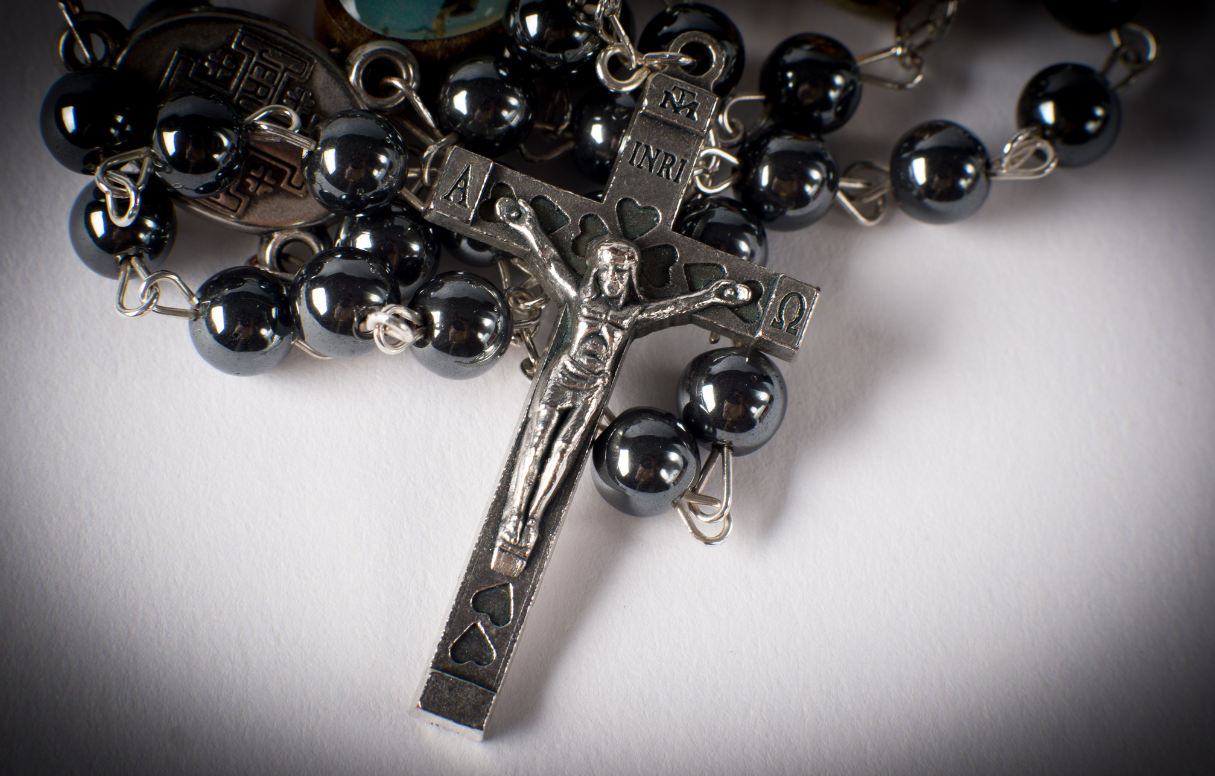
I want to finish with the Rosary. The reality is only a small minority of Catholics will ever learn to pray the Liturgy of the Hours for the reasons I’ve mentioned here. As wonderful as it is. What all Catholics can do is learn to pray the Rosary and pray it, because it is simple enough, accessible enough, and short enough. I bring up the Rosary in connection to the Liturgy of the Hours for another reason too, because it has some of its roots in it.
The Liturgy of the Hours was founded on the 150 Psalms found in the bible. Question: how many “Hail Mary’s” are there between the five decades of the Rosary – 150. Literate and illiterate people have been praying on beads from time immemorial. When the Blessed Virgin Mary appeared to St. Dominic and taught him how to pray the rosary, it was for two reasons: for the grace that came from its powerful intercession, and because the peasants could pray it too. If praying the Liturgy of the Hours is too much for you, then please commit to the Rosary. In fact, the Church allows one of the daily hours to be replaced by a Rosary. Think of it this way, when you pray the Rosary, you pray the 150 Psalms and one of the hours of the Church’s Divine Office as well.
May Almighty God Bless You,

Fr. Thomas Nathe
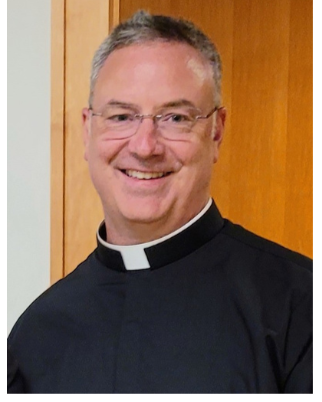
Fr. Nathe